Produtos

Série FusCoating

FusCoating™ NexABS-CF20

NexABS-CF20

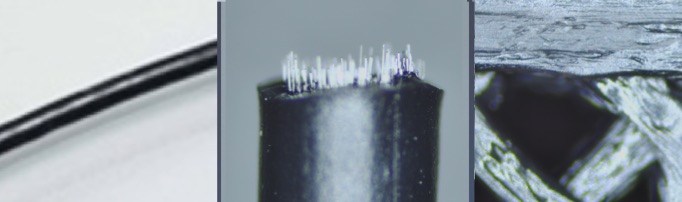
FusCoating™ NexABS-CF20 é um fio ABS 3D reforçado com 20% de fibra de carbono com estrutura revestida de dupla camada. A camada externa do fio é feita de resina ABS pura com alta força adesiva. O núcleo interno do fio é feito de resina ABS reforçada com fibra de carbono de corte curto de 20%. O fio revestido para impressão 3D FusCoating™ NexABS-CF20 utiliza as propriedades da massa fundida de polímero que geralmente se move em fluxo laminar durante o processo de extrusão. O fio pode manter uma e
Unannealed83
HDT-A / degC
Unannealed9
HDT-B / degC
- Young's Modulus / MPa
47.86 Tensile Strength / MPa
Diameter1.75mm Weight2.5kg / 3kg
Spool Info
  • Specifications
  • Print profile downloads
  • Parâmetros de impressão
  • Related downloads
  • Application cases
  • FAQ
  • Health tips
  • Moisture handling & storage
  • Application disclaimer
  • Statements & copyright
carregando características funcionais do material (tabela de propriedades físicas versus radar)...
PRODUCT PARAMETERS V2

FusCoating™ NexABS-CF20

Synced from Product Parameters V2: Basic & Appearance

Product Name FusCoating™ NexABS-CF20
Product Model NexABS-CF20
Forming Process Filamento compatível com FDM
Color / Appearance 黑色(Black)
Package Weight 2.5 kg / 3 kg
Filament Diameter 1.75 mm
Brand FusRock
Supplier FusRock

Material Properties

Recommended printing Condições temperatura250-270° diâmetro recomendado da calha 0.4-1.0mmsuperfície de construção recomendada treatmentPEI or Coating with PVP glueBuild plate temperature100-110°CChamber TempSealing or 40-70°CCooling fan speed0-20%Print speed30-120 mm/sRetraction distance1-3 mmRetraction speed1800-3600 mm/minRecommended Support MaterialFusFree™ S-Multi Quick-Remove SupportDrying setting70℃ for 4-6hAnnealingN/A

Recommended printing conditions

< tcorpo >

dicas de impressão

dicas de impressão: FusCoating™ NexABS-CF20 has a higher fiber content compared with ordinary ABS-GF/CF. This technology further improves the warping resistance and rigidity of ABS materials, so the chamber temperature can be properly reduced to achieve energy saving.If the filament has been opened for a long time and problems such as air bubbles and stringing appear during the printing process, please dry the filament at 60-70°C for 4-6 hours.It is recommended to place the printer in a well-ventilated environment when printing with ABS material.FusCoating™ NexABS-CF25 can maintain a core-skin structure when extruded from the nozzle. It is based on the mechanism that the melt polymer is in a laminar state when it flows stably, However, when the printing speed is too high, the melt flow state will become unstable, and the filaments extruded from the nozzle will no longer have the skin-core structure anymore, which can cause the rough surface of the printed part. When this phenomenon occurs, it is recommended to increase the printing temperature or reduce the extrusion speed.It is recommended to use Phaetus hardened steel nozzles or nozzles with greater abrasion resistance, which can effec

  • Document type
  • Version
  • Time
  • Action
  • TDS
  • 5.2
  • 2025-02-01
  • No matching print profile files.

    PRODUCT PARAMETERS V2

    Parâmetros de impressão

    Valores sincronizados do perfil de produto V2 associado — ponto de partida para fatiar e testes de impressão.

    Printing Window

    Core temperature, speed and cooling settings from Product Parameters V2.

    Nozzle Temperature 250 - 280 °C
    Bed Temperature 100 - 110 °C
    Chamber Temperature 40 - 60 °C
    Print Speed 30 - 200 mm/s
    Suggested Nozzle 0.4 - 1 mm

    Hardware & Platform

    Nozzle, build plate and pre-print preparation recommendations.

    Nozzle Material Materiais com dureza igual ou superior à do aço endurecido
    Build Plate Material PEI ou revestimento com cola PVP
    Enclosure Printing Por favor, fele as caixas, aumente a temperatura do depósito e imprima.

    Support & Compatibility

    Support material, spacing and compatible material recommendations.

    Support Material FusFree™ S-Multi S-Multi · ++
    Raft Gap 0.18 - 0.2 mm
    Retraction 1 - 3 mm
    Retraction Speed 30 - 60 mm/s

    Notes

    Additional guidance maintained in Product Parameters V2.

    Other Suggestions O FusCoating™ NexABS-CF20 possui um teor de fibra mais alto em comparação com o ABS-GF/CF comum. Essa tecnologia melhora ainda mais a resistência à empenagem e a rigidez dos materiais ABS, permitindo que a temperatura da câmara seja devidamente reduzida para alcançar economia de energia. Se o filamento estiver aberto por muito tempo e problemas como bolhas de ar e cordas aparecerem durante o processo de impressão, por favor, seque o filamento a 60-70°C por 4-6 horas. Recomenda-se colocar a impressora em um ambiente bem ventilado ao imprimir com material ABS. FusCoating™ NexABS-CF25 pode manter uma estrutura núcleo-revestimento quando extrudido do bico. Baseia-se no mecanismo de que o polímero de fusão está em estado laminar quando flui de forma estável. No entanto, quando a velocidade de impressão é muito alta, o estado de fluxo de fusão se torna instável, e os filamentos extrudidos do bico deixam de ter a estrutura de núcleo de pele, o que pode causar a áspera da superfície da peça impressa. Quando esse fenômeno ocorre, recomenda-se aumentar a temperatura de impressão ou reduzir a velocidade de extrusão. Recomenda-se usar bicos ou bicos de aço endurecido Phaetus com maior resistência à abrão, o que pode melhorar efetivamente a qualidade da impressão. A espessura do bloco de aquecimento recomenda-se para não menos que 12mm.

    No FAQs for this product yet.

    通用安全提示(FusRock)

    1. 长期大量使用 3D 打印材料时,建议在专用房间操作并保持通风。
    2. 有过敏史者请确认所用材质不会引发过敏反应。
    3. 有呼吸道慢性病者请佩戴口罩;其他人员也强烈建议操作时佩戴口罩。
    4. 对纤维类打印件进行打磨、切割等可能产生纤维逸出的操作时,请做好防护,避免刺入或吸入。
    5. 打印时请远离儿童与婴幼儿,注意环境安全。

    Storage (moisture protection)

    temperatura250-270° diâmetro recomendado da capa 0.4-1.0mmrecomendado build surface treatmentPEI or Coating with PVP glueBuild plate temperature100-110°CChamber TempSealing or 40-70°CCooling fan speed0-20%Print speed30-120 mm/sRetraction distance1-3 mmRetraction speed1800-3600 mm/minRecommended Support MaterialFusFree™ S-Multi Quick-Remove SupportDrying setting70℃ for 4-6hAnnealingN/A
    Short breaks Store in a sealed dry box or apply a simple vacuum pack; avoid direct sunlight.
    Long-term storage Return filament to the factory foil bag, squeeze out air (add a fresh desiccant pack if available), then place inside a household vacuum bag and pull vacuum. Keep in a cool, dry place away from sunlight.
    Drying damp filament — guidelines
    Drying parameters

    PTC compact dryer box: 60–70 °C for 4–6 hours.

    Small lab oven (forced-air): temperature uniformity is often limited; spools can warp. Reduce temperature/time (example: 40–45 °C for ~4 hours) and cross-check the material-specific drying notes in the datasheet.

    Important: if print quality does not improve, test with an empty spool before raising temperature—non-uniform heat can deform plastic flanges.

    Large forced-air oven: 60–70 °C for 4–6 hours.

    PS: Why do devices differ? Add an internal article or external link (“learn more”).

    Precautions

    Read before drying

    1. When in doubt, run an empty-spool temperature trial before increasing heat.
    2. Follow the recommended temperatures/times from the product / material admin page.
    3. Prefer forced-air ovens; do not blast the spool directly with hot air.
    4. Avoid exposing the spool edge to a violent air jet.
    5. Do not rest spools only on wire racks—use a flat heat-spreading plate if needed.
    6. Hot spools can burn—use gloves.
    7. Observe fire and electrical safety.
    8. Avoid microwave ovens or other uneven heaters; a temperature-controlled drying oven is preferred.

    (Insert “warped vs normal” spool photos here.)

    Dry vs damp

    What moisture does to prints

    DryDamp
    Cleaner surface, stable color, mechanical properties on specPitting, stringing, whitening, weaker properties (material dependent)

    (Optional: 1 / 2 / 3 day exposure at ~80% RH — same test part.)

    * Example photos may reference a specific grade (e.g. PAHT-CF); label yours accordingly.

    Contact form

    Enviar